

Renovating a home is one of the most rewarding things a homeowner can do, but it can also be one of the most confusing. There is no shortage of opinions on where to invest your money, and not all of them hold up under scrutiny. Some upgrades look impressive but deliver little return. Others are so practical and desirable that they quietly elevate the entire property.
After years of conversations with property experts, contractors, and everyday homeowners, a clearer picture has emerged of what genuinely adds value and what simply looks good on a mood board.
The Kitchen Is Still King
If there is one room that defines how a buyer or visitor perceives your home, it is the kitchen. People spend more time evaluating kitchens than any other space. They open drawers, run taps, check storage, and imagine themselves actually living there.
The good news is that a full renovation is not always necessary. Replacing cabinet fronts, upgrading benchtops to stone or engineered surfaces, and installing quality tapware can completely transform the feel of a kitchen without tearing everything out. Lighting matters more than most people expect. Under-cabinet task lighting alone can shift a space from feeling dated to feeling considered and intentional.
Integrated appliances with consistent finishes communicate quality. A cluttered freestanding oven crammed into a corner tells a very different story than a built-in setup with clean lines and proper ventilation.
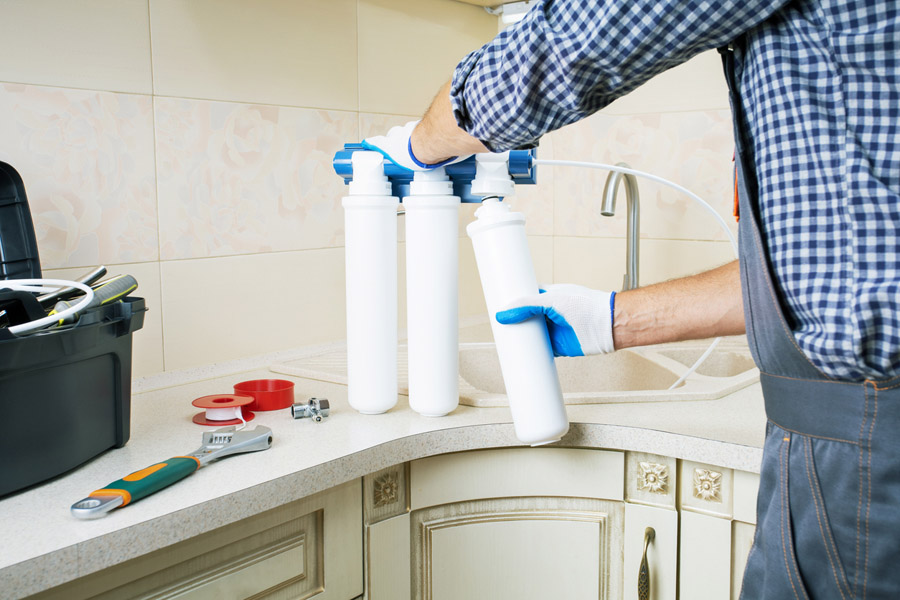
Water quality has also quietly entered the conversation in recent years. More homeowners, especially families, are paying attention to what comes out of their taps. A kitchen that already has a quality filtration system installed signals that the home has been looked after with genuine care. When one of our readers updated their kitchen last year, they mentioned doing quite a bit of research before landing on Micron Water Filters, appreciating that it was a dedicated specialist brand rather than a generic add-on. It was a small detail, but it made the kitchen feel truly complete.
Bathrooms: Functional Beats Flashy
The bathroom is the second most scrutinised space during any property walkthrough. Just like the kitchen, it rewards practical upgrades over purely cosmetic ones.
Regrouting tiles, replacing an old vanity, upgrading fixtures to brushed nickel or matte black finishes, and improving ventilation go a long way. These are the kinds of changes that make a bathroom feel clean and intentional without requiring a full demolition. Buyers notice when a bathroom smells fresh, drains properly, and has storage that actually makes sense for daily life.
Walk-in showers continue to outperform baths in most properties unless you are specifically targeting families with young children. Freestanding baths still photograph beautifully, but experienced buyers know they are harder to maintain than they appear.
Outdoor Spaces Are Underestimated
A well-executed outdoor space extends the liveable area of a home, and that matters more than people realise. A deck, patio, or simple lawn area that is clean, level, and properly maintained reads as usable space. Overgrown, neglected outdoor areas do the opposite and can actually drag down the perceived value of an otherwise strong property.
You do not need elaborate landscaping. What buyers respond to is clarity. They want to see a space they can imagine using, whether that is a weekend gathering spot, a place for children to play, or simply a quiet corner to sit in the evening. Defined edges, healthy grass or low-maintenance ground cover, and a few potted plants can achieve that without a significant spend.
Outdoor lighting is another upgrade that is frequently overlooked. Path lighting, deck lights, or even simple uplighting on a feature tree changes how a property feels after dark. Given how many buyers do drive-bys in the evening, this is a detail worth considering.
Storage: The Quiet Dealbreaker
Storage is rarely the first thing mentioned in a listing, but it is often the first thing a buyer notices when it is missing. Homes that feel cluttered during an inspection are almost always homes that lack adequate, well-designed storage.
Built-in wardrobes in bedrooms, a dedicated linen cupboard, proper kitchen pantry space, and garage storage that is actually organised rather than piled high all contribute to the sense that a home is functional and liveable. These are not glamorous upgrades, but they consistently come up in buyer feedback.
If you are working with limited space, consider where dead space exists in your home. Under-stair storage, floor-to-ceiling shelving in spare rooms, and built-in seating with storage underneath are all ways to add practical capacity without structural changes.
The Details That Tie Everything Together
Beyond the major upgrades, it is the smaller details that often determine whether a property feels well-maintained or slightly neglected. Fresh paint in neutral tones, clean grout, functioning door handles and hinges, unscratched floorboards, and properly sealed windows all contribute to an overall impression of care.
These are not expensive fixes individually. But a home where the little things have been attended to consistently reads very differently from one where obvious maintenance has been deferred. Buyers are not just assessing what they can see. They are making a judgment about what they cannot see, and visible neglect creates doubt.
The best home improvements are not always the biggest or most expensive ones. They are the ones that make a space feel cared for, functional, and ready to be lived in. That combination, more than any single renovation, is what genuinely moves the needle on value.
