
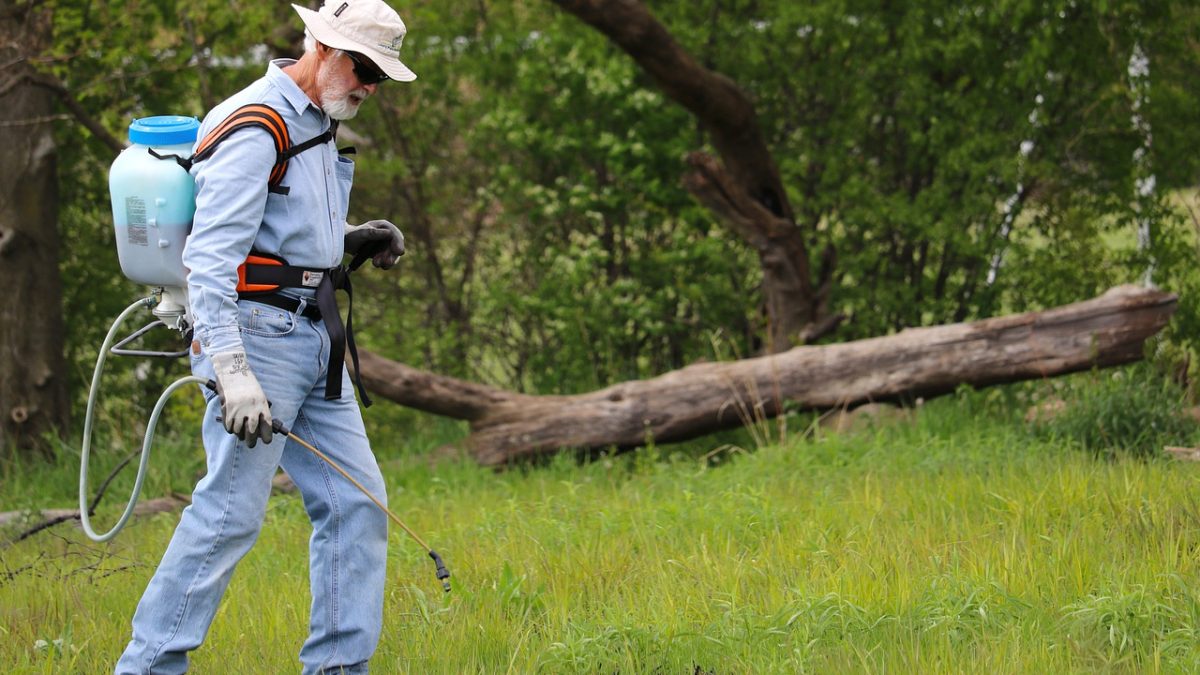


The Importance of Weed Control Services
Weeds, with their invasive and persistent nature, can wreak havoc on the health and aesthetics of your outdoor space. These unwanted plants compete with your desired vegetation for essential resources such as nutrients, water, and sunlight, hindering their growth and inhibiting their ability to thrive. By understanding the impact of weeds on your garden or landscape, you can begin to appreciate the importance of weed control services in maintaining a clean and pristine outdoor environment.
- Understanding the Impact of Weeds on Your Outdoor Space
Weeds have the potential to cause significant damage to your outdoor space. They compete with your desirable plants for space and resources, often outcompeting them and stunting their growth. Weeds can quickly multiply and spread, forming dense mats that choke out other vegetation and deprive them of much-needed sunlight.
Moreover, weeds can also serve as hosts for pests and diseases, further threatening the health and vitality of your plants. They provide a breeding ground for insects and can attract harmful fungi and bacteria, putting your entire garden at risk. In addition to aesthetic concerns, the presence of weeds can have serious implications for the overall health and biodiversity of your outdoor space.
- The Hidden Dangers of Ignoring Weed Infestations
Ignoring weed infestations can have far-reaching consequences for your garden or landscape. Weeds are notorious for their ability to spread quickly and reproduce rapidly, making it essential to address them as soon as they appear. Failure to do so can result in the weeds taking over your garden, making it increasingly difficult to regain control over your desired vegetation.
Additionally, some weeds have deep and extensive root systems that can cause damage to infrastructure such as pathways, driveways, and even underground utilities. Weeds like bindweed and Japanese knotweed are particularly notorious for their aggressive root systems, which can penetrate cracks in concrete and asphalt, leading to costly repairs.
Furthermore, unchecked weed growth can negatively impact adjacent natural areas and habitats. Weeds that spread beyond your property can invade neighboring ecosystems, disrupting native plant communities and displacing native wildlife. This can have severe ecological consequences and perpetuate the spread of invasive species.
- How Weed Control Services Can Transform Your Garden
Weed control services offer a comprehensive approach to tackling weed infestations and restoring the health and beauty of your garden. Professional weed control companies employ a range of specialized methods to effectively manage and eliminate weeds, ensuring long-lasting results.
These services often begin with a thorough assessment of your outdoor space to identify the types of weeds present and the extent of the infestation. Based on this evaluation, a customized weed management plan is developed, taking into account factors such as the specific needs of your plants, the environmental impact of the chosen methods, and any legal restrictions that may apply.
Professional weed control experts have access to advanced herbicides and environmentally friendly alternatives that target the weeds while minimizing harm to desirable vegetation, pets, and wildlife. They are equipped with the knowledge and expertise to apply these treatments effectively, maximizing the effectiveness of the control measures while minimizing any potential risks.
By engaging the services of a professional weed control company, you can transform your garden from a weed-infested landscape to a thriving and beautiful outdoor space. Their expertise and ongoing maintenance programs can significantly reduce the reoccurrence of weeds, providing you with long-term peace of mind and a stunning landscape to enjoy.
Types of Weed Control Methods
When it comes to weed control, there are various methods available, each with its own advantages and limitations. Understanding the different types of weed control methods can help you make informed decisions about the best approach for your specific garden or landscape.
- Chemical Weed Control: Pros and Cons
Chemical weed control, also known as herbicide application, involves the use of synthetic or organic chemicals to target and eradicate weeds. This method is widely used due to its effectiveness in controlling weeds over large areas and its relatively low cost compared to other methods.
One of the primary advantages of chemical weed control is its ability to provide quick and efficient results. Herbicides are designed to specifically target and kill weeds, minimizing harm to desirable plants when applied correctly. They can be applied as foliar sprays, soil drenches, or spot treatments, allowing for targeted control and reducing the impact on non-target vegetation.
However, chemical weed control also has its drawbacks. Some herbicides have the potential to harm humans, pets, and beneficial insects if not used properly. Over-reliance on herbicides can also lead to the development of herbicide-resistant weeds, making them less effective over time. Furthermore, chemical weed control may pose environmental risks if the herbicides leach into water sources or impact non-target species.
- Organic Weed Control: A Natural Solution
Organic weed control methods offer a natural and environmentally friendly alternative to chemical herbicides. These methods focus on preventing weed growth rather than directly killing the weeds.
Mulching is a popular organic weed control method that involves covering the soil with a layer of organic material, such as wood chips, straw, or compost. This layer acts as a physical barrier, preventing weed seeds from germinating and effectively suppressing weed growth. Mulching also helps retain soil moisture, regulates soil temperature, and adds nutrients to the soil as it decomposes.
Hand-weeding is another organic weed control method that involves manually removing weeds by hand or using hand tools. This method is labor-intensive but can be effective for small areas or sensitive landscapes where chemical herbicides are not desirable.
Organic herbicides derived from naturally occurring substances, such as vinegar or citrus oil, can also be used for weed control. These products are typically non-toxic to humans and pets, but their effectiveness may vary depending on the type of weed and the stage of growth.
- The Benefits of Integrated Weed Management
Integrated Weed Management (IWM) is an approach that combines multiple weed control methods to achieve effective and sustainable results. Instead of relying solely on chemical or organic methods, IWM integrates different strategies to target weeds at various stages of their lifecycle and disrupt their growth cycles.
IWM typically involves a combination of cultural, mechanical, chemical, and biological control methods. Cultural practices, such as proper irrigation, fertilization, and planting densities, can create conditions that favor desirable plants while suppressing weed growth.
Mechanical control methods, such as mowing, hand-weeding, or using weed trimmers, physically remove weeds from the garden. These methods are often employed along with other control measures to provide immediate relief from weed infestations.
Biological control involves the use of natural enemies, such as insects, nematodes, or fungi, to suppress weed populations. This method requires a careful selection of the appropriate biological control agents to ensure that they target the specific weed species without impacting desirable plants.
By adopting an integrated approach to weed management, you can benefit from the strengths of different control methods while minimizing their limitations. IWM allows for a more sustainable and long-term solution to weed control, reducing the reliance on chemical herbicides and promoting a healthier ecosystem.
Choosing the Right Weed Control Service
When it comes to choosing a weed control service, there are several factors to consider to ensure that you select a reputable and reliable company that meets your specific needs.
- Factors to Consider When Hiring a Weed Control Company
Before hiring a weed control company, it is essential to evaluate their expertise and qualifications. Look for companies that have experience in weed control and are knowledgeable about local weeds and regulations. Check if they are licensed and insured, as this demonstrates their commitment to professionalism and accountability.
Consider their approach to weed control and whether they offer a range of methods tailored to your specific needs. A reputable company will conduct a thorough assessment of your outdoor space and develop a customized treatment plan that aligns with your goals and preferences.
Also, inquire about the company’s commitment to environmental stewardship. Ask about their sustainability practices and if they offer organic or integrated weed management options. A company that prioritizes the health of your garden and the environment demonstrates their dedication to responsible weed control practices.
- Evaluating Different Weed Control Service Providers
When evaluating different weed control service providers, it is beneficial to obtain multiple quotes and compare their services and prices. Look for companies that offer transparent pricing with no hidden fees or charges.
Read reviews or seek recommendations from friends, neighbors, or gardening associations to gauge the reputation and reliability of the service providers. A company with positive reviews and satisfied customers is more likely to deliver quality services and achieve desirable outcomes.
- Understanding the Cost and Value of Weed Control Services
The cost of weed control services can vary depending on factors such as the size of your outdoor space, the severity of the weed infestation, and the chosen control methods. It is important to understand the cost implications and assess the value offered by the service provider.
Consider the long-term benefits and savings that come with effective weed control. By investing in professional services, you can save time and effort spent on manual weeding or ineffective DIY methods. Additionally, preventive weed control measures can prevent costly damage to infrastructure and the need for extensive remediation in the future.
Discuss the warranty provided by the weed control company. Reputable companies often offer guarantees on their services, ensuring that they will address any reinfestations or concerns that may arise within a specified period.
Maintaining Weed-Free Landscapes
Once your garden or landscape has been professionally treated for weed control, it is important to implement long-term strategies to prevent weed resurgence and maintain a weed-free environment.
- Implementing Long-Term Weed Control Strategies
Regular maintenance is crucial for preventing weeds from taking over your outdoor space. Implementing strategies such as regular mowing, proper irrigation, and mulching can create an environment that is less favorable to weed growth.
Inspect your garden regularly to identify and remove any weeds that may have germinated. Promptly removing weeds before they have a chance to produce seeds can significantly reduce their spread and prevent future infestations.
Consider incorporating weed-resistant plants into your landscape design. These plants are known for their ability to compete with weeds and provide natural suppression to weed growth through shading and root competition.
- Effectively Managing Weeds in Different Seasons
Understanding the life cycles of different weeds and their growth characteristics can help you effectively manage weeds in different seasons. Some weeds thrive in cool weather, while others flourish in warmer temperatures.
In the spring and fall, when weed growth is most active, consider implementing pre-emergent herbicides to prevent the germination of weed seeds. These herbicides work by forming a barrier in the soil that inhibits weed seedling establishment.
In the summer, when weeds are in full growth, regular monitoring and hand-weeding can help keep them in check. For larger areas or persistent weed problems, consider hiring a professional weed control service for targeted treatment.
- Tips for Preventing Weed Resurgence
To prevent weed resurgence, it is important to address weed seeds that may already be present in your soil. These dormant seeds can lie dormant for years and germinate when conditions are favorable.
Avoid disturbing the soil unnecessarily, as it can bring buried weed seeds to the surface, where they can germinate. When planting new vegetation or adding mulch, consider using weed-free products to minimize the introduction of weed seeds into your garden.
Properly dispose of weeds and weed clippings to prevent them from reseeding and spreading to other areas of your garden. Bagging and discarding weeds or adding them to a compost pile that reaches a high temperature can help kill weed seeds and prevent their return.
In conclusion, weed control services play a vital role in maintaining a clean and pristine outdoor space. Whether through chemical, organic, or integrated approaches, these services can effectively manage and eliminate weed infestations, providing long-term benefits for your garden or landscape.
By choosing a reputable weed control service, implementing long-term strategies, and understanding the cost and value of these services, you can enjoy a weed-free environment that allows your desired vegetation to thrive. Stay proactive in your weed management efforts, and you will reap the rewards of a beautiful and healthy outdoor space for years to come.
FAQ
Question: What are the potential consequences of ignoring weed infestations? Answer: Ignoring weed infestations can result in the weeds taking over your garden, causing damage to infrastructure and impacting adjacent natural areas and habitats.
Question: How do weed control services transform gardens? Answer: Weed control services offer a comprehensive approach to tackling weed infestations and restoring the health and beauty of gardens by using specialized methods and treatments.
Question: What are the different types of weed control methods? Answer: There are chemical weed control methods, organic weed control methods, and integrated weed management methods.
Question: What are the pros and cons of chemical weed control? Answer: Chemical weed control methods are effective and relatively low-cost, but they can harm humans, pets, and beneficial insects if not used properly and may have environmental risks.
Question: What are some examples of organic weed control methods? Answer: Organic weed control methods include mulching, hand-weeding, and the use of organic herbicides derived from naturally occurring substances.
Question: What is integrated weed management? Answer: Integrated Weed Management (IWM) is an approach that combines multiple weed control methods, such as cultural, mechanical, chemical, and biological control methods, for effective and sustainable results.
Question: How should one choose a weed control service? Answer: When selecting a weed control service, consider their expertise, approach, environmental stewardship, and reputation. Obtain multiple quotes, read reviews, and assess the value offered.
Question: How can one maintain a weed-free landscape? Answer: Implement long-term weed control strategies, effectively manage weeds in different seasons, and take measures to prevent weed resurgence to maintain a weed-free landscape.
