
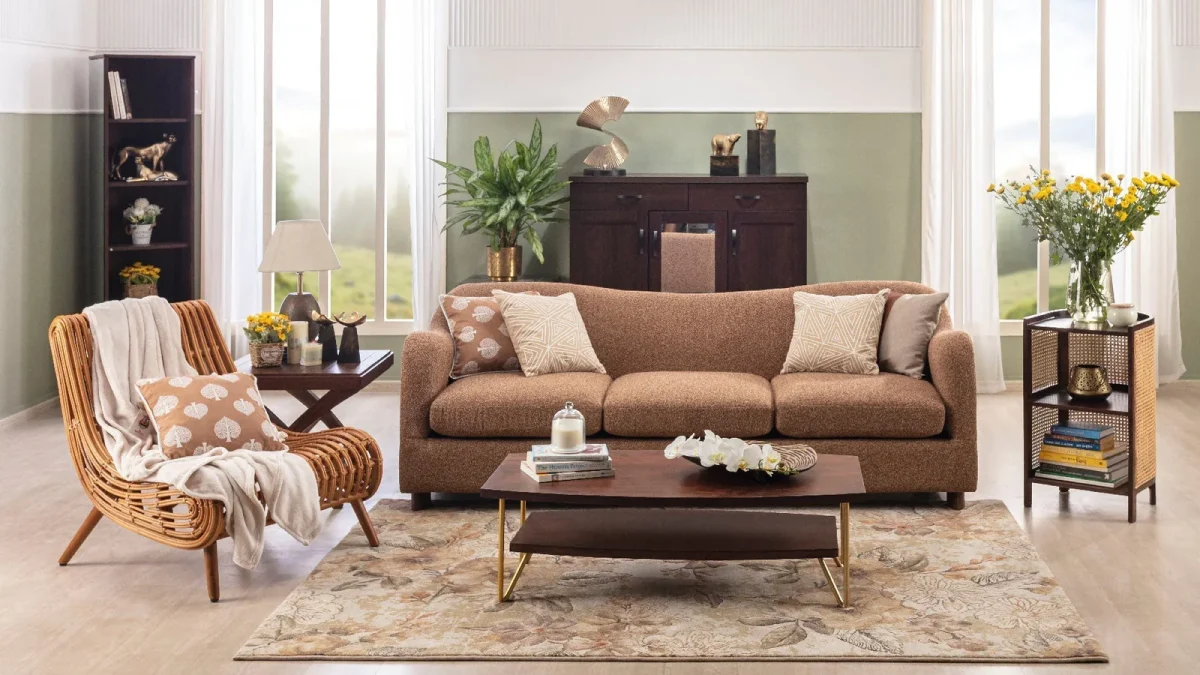

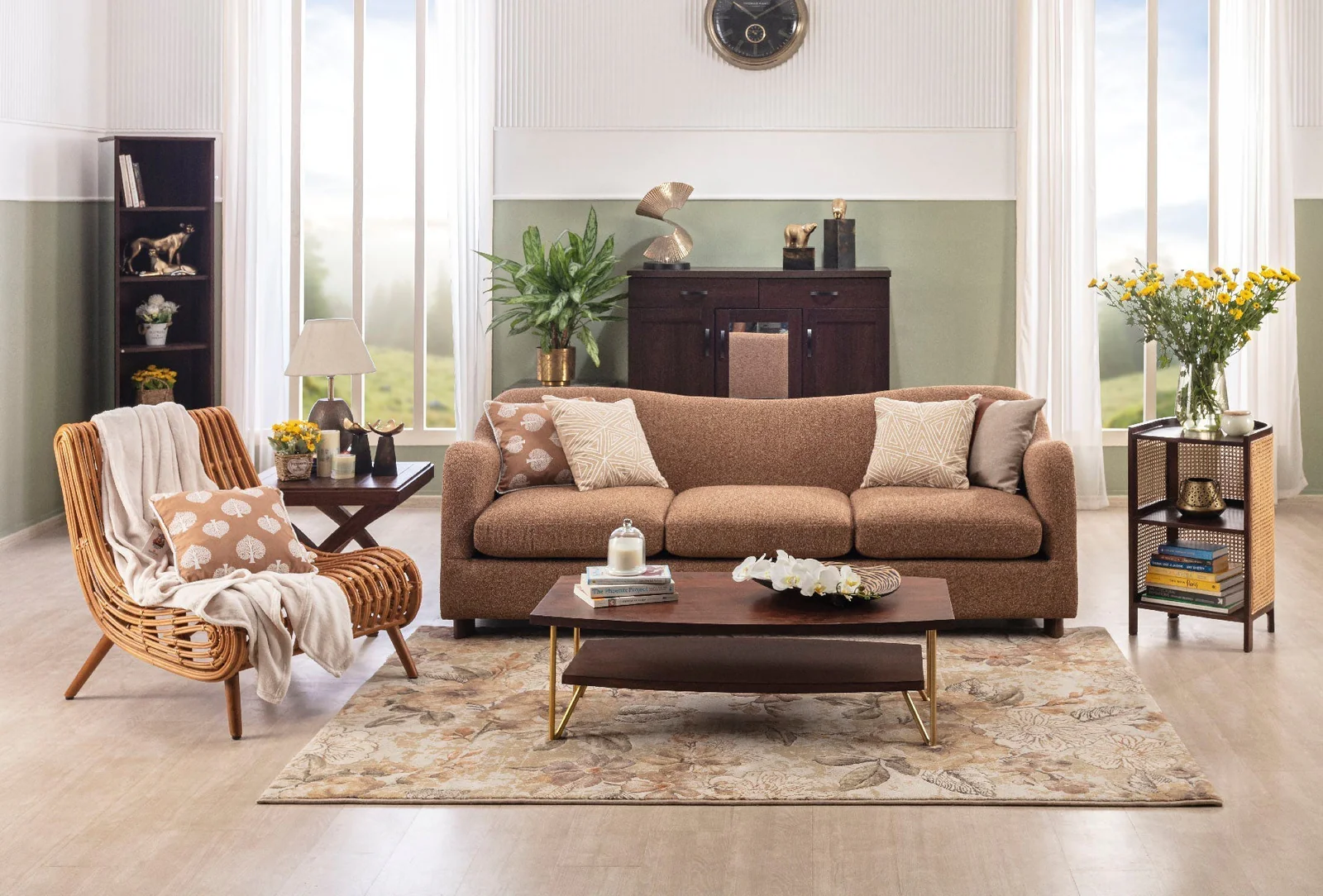
Interior design in 2026 reflects a powerful shift toward personalization, sustainability, comfort, and multifunctionality. Homeowners are no longer decorating spaces simply to impress visitors. Instead, they are designing interiors that support daily routines, mental well-being, and flexible lifestyles. Furniture plays the central role in this transformation.
Across homes, apartments, and hybrid living-work environments, furniture choices now blend craftsmanship, technology integration, eco-conscious materials, and expressive aesthetics. The result is a design landscape where comfort meets character and function meets artistry.
Below are the most influential furniture trends shaping interiors in 2026 and how they are redefining modern living spaces.
Curved and Sculptural Silhouettes
Sharp edges are gradually giving way to soft, flowing forms. Curved furniture introduces movement and warmth into interiors, creating environments that feel inviting rather than rigid.
Designers are embracing sculptural pieces that double as visual statements while maintaining everyday functionality.
Popular curved furniture pieces include:
- Rounded sectional sofas
- Crescent-shaped coffee tables
- Arched headboards
- Barrel-style accent chairs
- Oval dining tables
These forms improve spatial flow and soften architectural lines, especially in open-concept layouts where furniture helps define zones naturally.
Curved silhouettes also support the growing preference for organic interiors that echo shapes found in nature.
Sustainable and Responsible Materials
Environmental awareness continues to influence furniture production and purchasing decisions in 2026. Buyers increasingly want pieces that reflect ethical sourcing, longevity, and reduced environmental impact.
Manufacturers are responding by prioritizing:
- Reclaimed wood
- FSC-certified timber
- Bamboo
- Cork
- Recycled metals
- Plant-based upholstery fabrics
Furniture is now designed with durability and repairability in mind rather than short-term replacement cycles. This shift reflects a broader commitment to slower, more intentional consumption.
Homes furnished with responsibly sourced materials feel both contemporary and timeless, balancing aesthetics with environmental accountability.
Multifunctional Furniture for Flexible Living
Hybrid lifestyles remain a defining feature of modern homes. With remote work, compact urban living, and adaptable family routines shaping daily life, multifunctional furniture is no longer optional.
Instead, it has become essential.
Key multifunctional furniture solutions include:
- Extendable dining tables
- Storage-integrated beds
- Modular shelving systems
- Fold-away desks
- Convertible sofas
These pieces maximize usability without sacrificing style. They allow homeowners to transform rooms quickly depending on changing needs throughout the day.
In 2026 interiors, flexibility equals practicality.
Statement Wood Finishes with Character
While minimalism still influences interiors, wood finishes are becoming richer and more expressive. Furniture now celebrates grain variation, texture depth, and handcrafted imperfections.
Trending finishes include:
- Smoked oak
- Walnut with matte sealants
- Charred wood surfaces
- Light ash tones
- Natural live-edge slabs
These finishes emphasize authenticity rather than uniform perfection.
Designers are intentionally selecting woods that highlight craftsmanship and individuality, helping furniture feel personal rather than mass-produced.
Low-Profile Seating That Enhances Relaxation
Comfort remains a defining priority in 2026 interiors. Low-profile seating supports this shift by creating relaxed visual lines and casual lounging environments.
Popular low-height furniture includes:
- Platform sofas
- Floor-level lounge chairs
- Minimalist daybeds
- Wide modular seating systems
These pieces encourage slower living and informal interaction while maintaining a refined aesthetic.
Low seating also makes ceilings appear higher and rooms feel more open.
Mixed Materials for Layered Visual Interest
Single-material furniture is gradually being replaced by layered combinations that create contrast and depth. Designers are pairing textures intentionally to enhance both tactile and visual experiences.
Common material pairings include:
- Wood with stone
- Metal with leather
- Glass with marble
- Linen with brushed brass
- Cane with upholstered panels
Mixed-material furniture brings dimension into interiors without overwhelming the space.
Instead of relying on bold color palettes alone, designers now use material contrast as a storytelling element.
Earth-Toned Upholstery and Calm Color Palettes
Color trends in furniture are shifting toward grounding tones inspired by nature. These palettes create calm environments that support focus, rest, and emotional balance.
Popular upholstery colors in 2026 include:
- Clay
- Moss green
- Sand beige
- Rust
- Muted terracotta
- Warm taupe
These tones work well across both minimalist and layered interiors, making them versatile choices for long-term styling.
Neutral palettes also allow accent pieces and artwork to stand out without competing visually.
Modular Furniture That Adapts Over Time
One of the strongest movements shaping furniture design today is modularity. Instead of fixed configurations, homeowners are choosing adaptable systems that evolve alongside changing needs.
Examples of modular furniture include:
- Rearrangeable sofas
- Expandable storage walls
- Stackable seating units
- Configurable shelving grids
Modular pieces extend product life cycles because they can be reconfigured rather than replaced.
This flexibility makes them especially valuable for growing families, renters, and urban residents.
Vintage-Inspired Pieces with Modern Updates
Retro silhouettes are returning with subtle refinements that align them with contemporary interiors. Rather than replicating past decades exactly, designers are reinterpreting vintage forms using updated materials and proportions.
Popular influences include:
- Mid-century tapered legs
- 1970s-inspired boucle upholstery
- Art Deco curves
- Classic spindle-back chairs
- Retro sideboards with streamlined hardware
These elements add familiarity and personality without making spaces feel outdated.
Blending old and new helps interiors feel layered rather than staged.
Integrated Technology in Everyday Furniture
Technology integration is becoming more seamless and less visible. Furniture designers are embedding practical features directly into everyday pieces without disrupting aesthetics.
Examples include:
- Wireless charging side tables
- Smart lighting headboards
- Hidden cable management desks
- Sensor-based adjustable seating
- Storage units with integrated power ports
Instead of dominating the room visually, technology now supports functionality quietly in the background.
This approach maintains clean design lines while improving convenience.
Textured Surfaces That Invite Interaction
Smooth finishes are being balanced with tactile materials that encourage touch and engagement. Texture is becoming as important as color and shape in furniture selection.
Trending textured finishes include:
- Boucle upholstery
- Ribbed wood panels
- Fluted cabinet fronts
- Woven cane inserts
- Hammered metal surfaces
These textures add depth and sensory richness to interiors.
They also help create visual interest without relying on bold decoration.
Oversized Accent Furniture as Focal Points
Rather than filling rooms with multiple small decorative pieces, designers are using fewer but larger furniture statements to anchor interiors.
Examples include:
- Oversized armchairs
- Statement coffee tables
- Large-scale sideboards
- Sculptural lounge chairs
- Dramatic canopy beds
These elements create strong focal points while keeping overall styling intentional and uncluttered.
This approach aligns with the growing preference for meaningful design over excessive ornamentation.
Personalized Furniture That Reflects Identity
Customization continues to gain popularity as homeowners seek spaces that represent their personalities and lifestyles.
Popular personalization strategies include:
- Custom upholstery selections
- Mixed-finish cabinetry
- Made-to-measure shelving
- Artisan-crafted dining tables
- Locally sourced materials
Personalized furniture transforms interiors from generic environments into expressive living spaces.
In 2026, individuality is considered a design strength rather than a risk.
Furniture That Supports Wellness-Oriented Living
Wellness-focused interiors are influencing how furniture is designed and arranged. Pieces now prioritize posture support, relaxation zones, and calming layouts.
Examples of wellness-driven furniture choices include:
- Ergonomic lounge seating
- Adjustable reading chairs
- Natural-material bed frames
- Meditation benches
- Window-facing daybeds
These pieces encourage healthier daily routines while improving emotional comfort within the home.
Furniture is no longer just functional. It is supportive.
FAQ Section
What furniture style is most popular in 2026 interiors?
Curved silhouettes combined with natural materials and modular functionality are among the most dominant styles shaping interiors in 2026.
Are neutral colors still trending for furniture?
Yes. Earth tones and warm neutrals remain popular because they create calm environments and adapt easily to changing decor accents.
Is sustainable furniture more expensive?
Not always. While some handcrafted sustainable pieces cost more initially, they often last longer and reduce replacement expenses over time.
How can small homes benefit from 2026 furniture trends?
Multifunctional and modular furniture helps maximize space efficiency while maintaining visual clarity and flexibility.
Are vintage furniture styles still relevant today?
Yes. Vintage-inspired designs remain highly relevant when paired with modern materials and updated proportions.
What materials are trending in furniture design this year?
Reclaimed wood, bamboo, natural fibers, matte metals, and textured upholstery materials are especially popular.
How important is technology integration in modern furniture?
Integrated technology improves convenience and usability while preserving clean design aesthetics, making it increasingly important in contemporary homes.
