
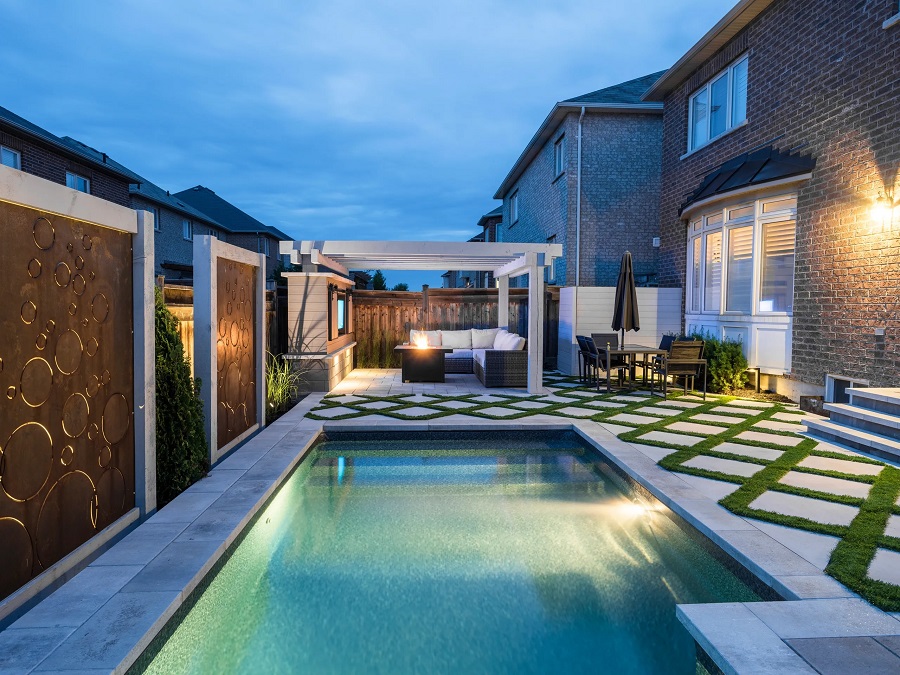

In recent years, the concept of backyard leisure has transformed from a simple addition to a central feature of modern living. Homeowners are now investing in pools that go beyond functionality, turning them into architectural statements and lifestyle experiences. With the growing demand for sophistication and sustainability, the modern pool installation service has evolved into a highly specialized craft that blends design precision, advanced engineering, and environmental mindfulness.
This article explores how pool design is redefining outdoor luxury, what innovations are shaping installations in 2025, and why professionals who understand the science behind aesthetics are leading this evolution.
The Changing Purpose of Residential Pools
A swimming pool was once considered a symbol of luxury. Today, it represents a personal retreat, a wellness investment, and an architectural centerpiece. Homeowners are no longer satisfied with basic designs. They want pools that enhance the overall landscape, integrate seamlessly with their home’s architecture, and offer year-round usability.
Modern pool projects focus on creating experiences. Whether it’s a tranquil lap pool for mindfulness, an infinity-edge design framing panoramic views, or a natural-style pool that mimics a freshwater lagoon, each installation is a reflection of lifestyle and personality. This evolution is pushing pool design toward customization, technology integration, and aesthetic storytelling.
The Rise of Architectural Pool Design
A key trend shaping the modern pool industry is architectural integration. Instead of standalone backyard features, pools are now designed as extensions of the home itself.
This design philosophy involves:
-
Structural Harmony: Ensuring that pool geometry complements the home’s architecture, creating a sense of flow and balance.
-
Material Continuity: Using matching stone, tile, or concrete finishes to unify the visual language of indoor and outdoor spaces.
-
Framing Views: Positioning pools to capture natural light and landscape vistas, enhancing both visual appeal and emotional impact.
This architectural precision transforms pools into living art pieces that elevate property value and lifestyle quality.
Sustainability as the Core of Modern Pool Construction
Sustainability has become an essential part of modern outdoor design. Innovative pool installation now focuses on eco-conscious systems that reduce water consumption, energy use, and chemical dependency.
Professional pool designers are embracing:
-
Energy-Efficient Pumps and Heaters: Variable-speed pumps and solar-powered systems that cut energy use significantly.
-
Saltwater and Ozone Systems: Reducing reliance on chlorine while maintaining pristine water quality.
-
Natural Filtration: Bio-filtration and wetland-inspired systems that keep water clean through natural ecological processes.
-
Water Recycling and Covers: Systems that conserve water by minimizing evaporation and maximizing reuse.
This green approach ensures that luxury can coexist with responsibility. It reflects a growing awareness among homeowners who want beauty that doesn’t come at nature’s expense.
Smart Pools and Technological Innovation
Technology has quietly revolutionized how modern pools are designed, installed, and maintained. The next generation of pools is fully automated, connected, and intelligent.
Key innovations include:
-
App-Controlled Operations: Managing lighting, temperature, jets, and cleaning schedules directly from a smartphone.
-
Automated Water Chemistry: Sensors that monitor pH, chlorine, and temperature, making adjustments in real-time for balanced water.
-
LED Lighting Systems: Colour-adjustable, energy-efficient lighting that enhances ambiance while reducing energy consumption.
-
Integrated Sound and Projection: Pools that transform into multi-sensory entertainment zones, perfect for evening gatherings.
These technological advancements make modern pools easier to maintain and far more interactive than ever before.
The Influence of Minimalism and Modern Design
Minimalism has become the dominant visual trend in pool design. Clean lines, geometric shapes, and subtle finishes create a sense of serenity. The goal is not to overwhelm the eye but to create a visual balance that enhances relaxation.
Modern designs often include:
-
Infinity and Zero-Edge Pools: Creating a seamless illusion of water blending into the horizon.
-
Monochrome Palettes: Use of neutral or stone-toned finishes that pair beautifully with natural surroundings.
-
Hidden Details: Concealed skimmers, flush coping, and integrated decking that maintain uninterrupted aesthetics.
This restrained elegance makes pools feel timeless rather than trendy, ensuring lasting beauty and minimal upkeep.
Customization and Personal Expression
Every homeowner envisions a unique connection with their outdoor space, and modern pool installation embraces that individuality.
Some examples of personalized features include:
-
Sun Shelves and Tanning Ledges: Shallow zones perfect for lounging or child play areas.
-
Built-In Seating and Fire Features: Combining warmth and water for all-season use.
-
Integrated Waterfalls and Fountains: Adding movement and sound for a tranquil sensory experience.
-
Underwater Windows and Glass Walls: Merging architectural drama with functional beauty.
Each custom feature enhances the emotional value of the space, transforming pools from amenities into experiences.
Merging Wellness and Design
Pools are increasingly viewed as wellness investments. They promote physical health, mental relaxation, and family connection. Designers are now incorporating wellness-driven features into installations, such as:
-
Hydrotherapy Jets: For muscle relaxation and recovery after exercise.
-
Lap Lanes: Encouraging regular swimming routines and fitness habits.
-
Temperature Zoning: Allowing different water temperatures in various sections for diverse therapeutic uses.
-
Soundscaping: Integrating ambient music or nature sounds to deepen relaxation.
The shift toward wellness reflects a broader lifestyle trend where design serves both aesthetic and emotional wellbeing.
Material Evolution in Pool Construction
Material science has played a crucial role in the modern pool revolution. Builders now have access to advanced materials that offer superior performance, longevity, and visual richness.
Some notable materials shaping the future of pool design include:
-
Porcelain and Glass Tiles: Offering durability and luxurious aesthetics.
-
Composite Decking: Low-maintenance alternatives to natural wood.
-
High-Performance Concrete: Providing strength while allowing for intricate shapes and smooth finishes.
-
Natural Stone Accents: Creating an organic, resort-inspired ambiance.
The combination of these materials results in pools that are as durable as they are visually captivating.
Integration With Broader Outdoor Living Spaces
Today’s pool installation is rarely a standalone project. It is part of a larger outdoor ecosystem that includes kitchens, lounges, cabanas, and gardens. The focus is on continuity and interaction between different zones of outdoor living.
Designers coordinate every element to ensure seamless transitions from pool decks to patios, pergolas, and garden paths. The result is a cohesive environment where water, fire, light, and landscape coexist in perfect balance.
The Future of Pool Design: Experiential Luxury
The next wave of pool innovation is experiential design. Homeowners are seeking sensory engagement through water movement, ambient lighting, textures, and sound. Pools are being designed not just to swim in, but to live around.
We can expect to see more hybrid spaces that combine natural water features with architectural finesse. Water walls, fire-and-water combinations, and kinetic lighting systems will continue to redefine outdoor spaces into immersive environments that engage all the senses.
Conclusion
The evolution of pool installation has reached a point where design, technology, and sustainability coexist harmoniously. Homeowners no longer want simple pools; they want architectural experiences that enrich their daily lives. The future belongs to installations that balance innovation with authenticity, offering relaxation, connection, and aesthetic fulfillment in equal measure.
Modern pool installation service providers who master this balance will continue to lead the transformation of outdoor living for years to come.
FAQs
1. How long does it take to complete a custom pool installation?
The timeline depends on size, complexity, and weather conditions. On average, a standard residential pool takes 8 to 12 weeks from design approval to completion.
2. What is the most energy-efficient pool system available today?
Variable-speed pumps combined with solar or heat pump technology provide the most energy-efficient performance while reducing long-term costs.
3. How can I make my pool more eco-friendly?
Use a saltwater or ozone purification system, add a pool cover to prevent evaporation, and install energy-efficient lighting and equipment.
4. Are smart pools difficult to maintain?
No. Smart automation simplifies maintenance by monitoring water chemistry and scheduling cleaning or heating cycles automatically.
5. What trends will define pool design in the next few years?
Expect increased use of natural materials, minimalist shapes, integrated lighting, and multi-functional zones that blend recreation with wellness and aesthetics.
