

Cement floors have become a popular choice for homes and businesses, prized for their durability, longevity, and industrial-chic aesthetic. While incredibly resilient, they are not impervious to dirt, stains, and damage. Proper cleaning is essential to protect their surface and maintain their appearance, whether they are in a garage, basement, or main living area. Understanding how to clean a cement floor correctly—and knowing the difference between sealed and unsealed surfaces—is the key to ensuring it looks its best for years to come.
This comprehensive guide will walk you through everything from routine mopping to tackling the most stubborn stains. By using the right techniques and tools, you can preserve the integrity and beauty of your concrete flooring with confidence.
Preparing Your Cement Floor for Cleaning
Before you introduce any water or cleaning solutions, proper preparation is crucial for achieving a flawless finish. Rushing this step can lead to scratching the floor or simply pushing dirt around, resulting in a muddy mess.
First, clear the entire area of any furniture, rugs, or other items. This gives you unobstructed access to the entire surface. Next, remove all loose dust, dirt, and debris. You can do this with a soft-bristled broom, a dust mop, or a vacuum cleaner. If using a vacuum, make sure it is set to a hard floor setting or use a hard floor attachment without a beater bar, as stiff, rotating bristles can scratch the surface of a sealed floor. A thorough dry clean first ensures you won’t be working grime into the floor when you begin wet cleaning.
Routine Cleaning for Sealed Cement Floors
A sealed cement floor has a protective topcoat that makes it resistant to stains, water, and wear. This coating makes routine cleaning relatively simple. The most important rule is to use a pH-neutral cleaner. Harsh, acidic, or alkaline cleaners (like bleach or ammonia) can strip the sealer, leaving the concrete vulnerable to damage.
For weekly cleaning, mix a solution of warm water and a few drops of a pH-neutral cleaning solution. Submerge a microfiber mop into the bucket and wring it out until it is just damp, not soaking wet. Excess water can leave streaks and potentially seep into any imperfections in the sealer. Mop the floor in sections, rinsing the mop head frequently in a separate bucket of clean water to avoid spreading dirt. Once you have mopped the entire floor, it’s best to go over it one last time with a clean, damp mop rinsed only in water to remove any cleaning solution residue.
Tackling Tough Stains on Cement Floors
Stains are inevitable, but most can be removed from concrete with the right approach. Always address spills as quickly as possible to prevent them from setting.
- Grease and Oil: For fresh spills, cover the stain with an absorbent material like kitty litter or cornstarch. Let it sit for several hours to draw the oil out of the concrete, then sweep it up. For set-in stains, you may need a commercial concrete degreaser.
- Rust: Rust stains can be difficult. A paste made from baking soda and water can sometimes lift minor stains. For more significant rust, you will need a specialized rust remover designed for concrete. Be sure to test it on an inconspicuous area first.
- Paint: If the paint is still wet, it can be wiped away. For dried latex paint, you may be able to scrub it off with a stiff-bristled brush and a cleaning solution. Dried oil-based paint often requires a chemical paint stripper. When using harsh chemicals, ensure the area is well-ventilated and follow all safety precautions.
How to Clean Unsealed Cement Floors
Unsealed concrete is porous, meaning it will absorb liquids and stain very easily. Cleaning this type of surface is more labor-intensive. Because there is no sealer to protect, you can use more heavy-duty cleaning methods. A mixture of water and a strong alkaline degreaser can be effective for a deep clean.
Apply the cleaning solution and let it sit for several minutes to break down the dirt. Then, use a stiff nylon-bristled scrub brush to work the cleaner into the surface. A power scrubber can save significant time and effort for larger areas. After scrubbing, you will need to thoroughly rinse the floor with clean water to remove all the loosened grime and cleaning residue. It is highly recommended to apply a quality concrete sealer after a deep clean to make future maintenance far easier.
Integrating Modern Technology into Your Cleaning Routine
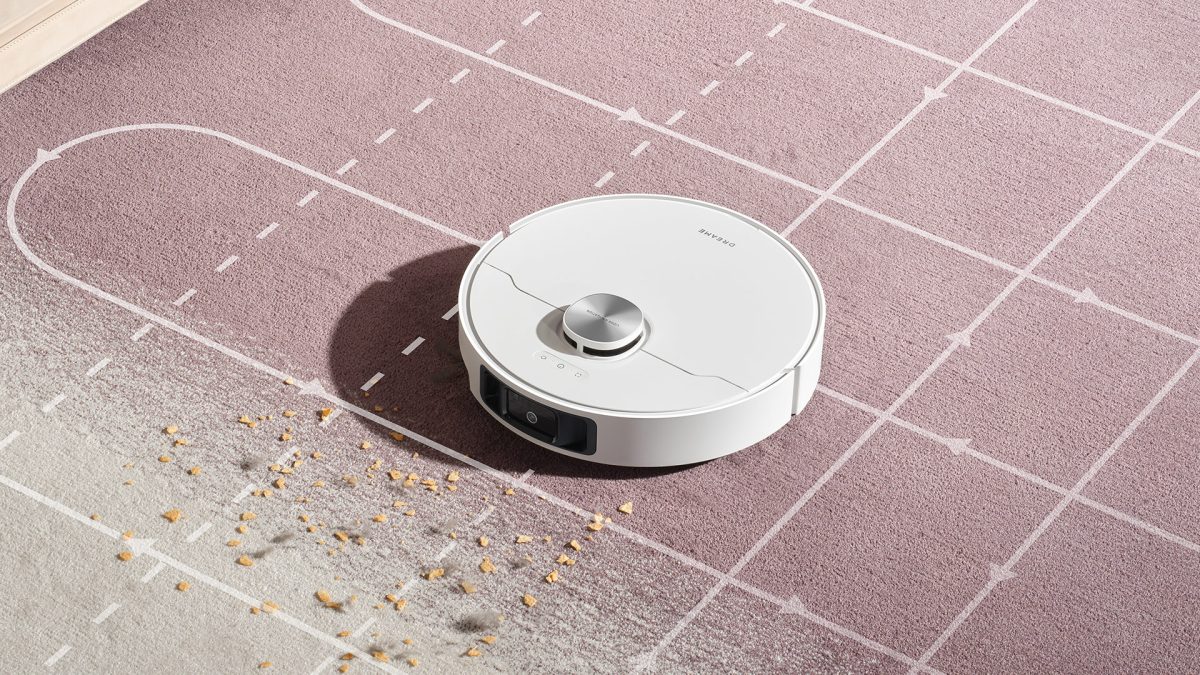
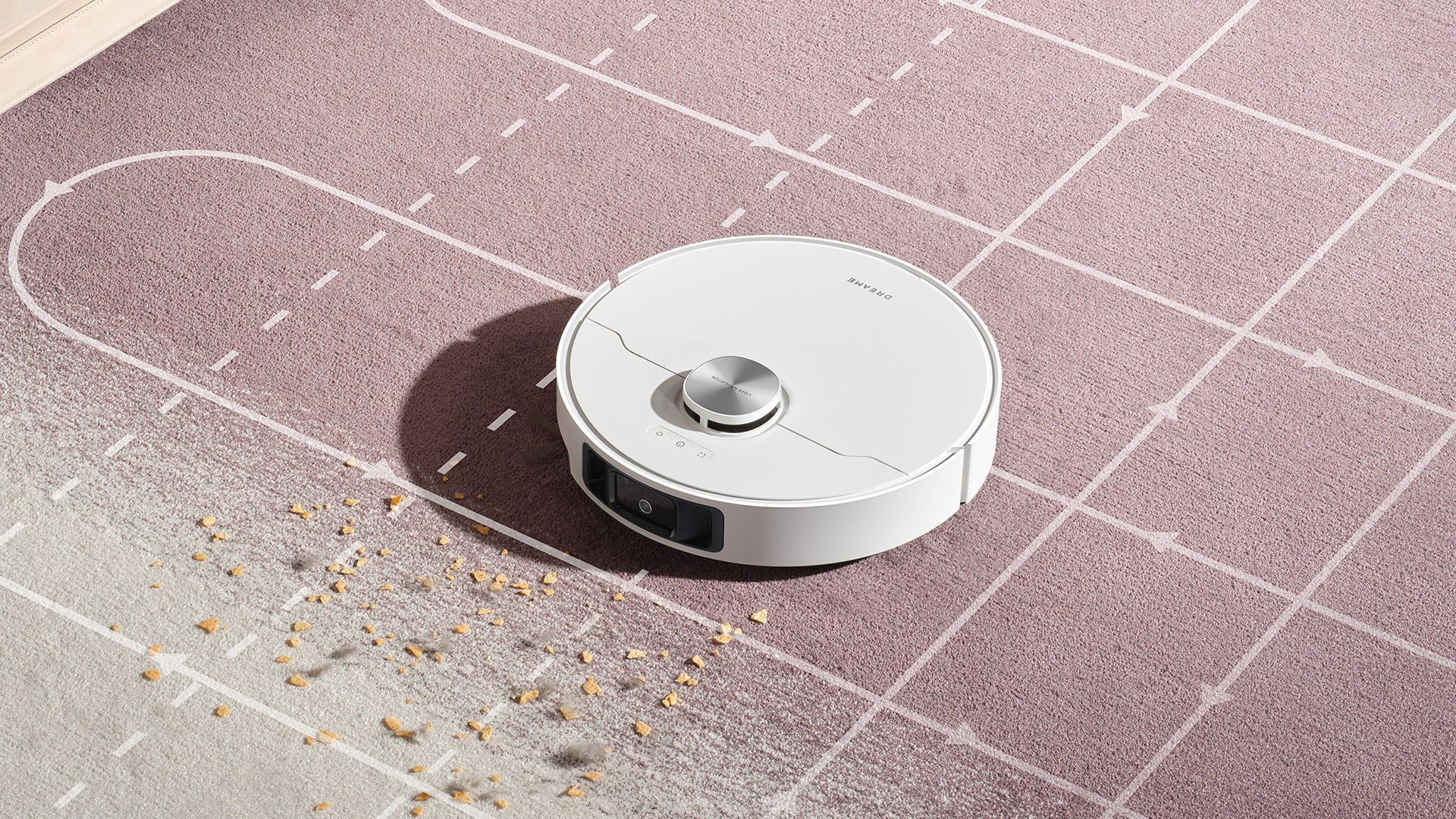
Modern cleaning appliances can significantly simplify the upkeep of cement floors. For daily maintenance on sealed floors, a robot vacuum is an outstanding tool. It can be scheduled to run automatically, picking up dust, pet hair, and light debris before it has a chance to build up, keeping your floors looking pristine with minimal effort.
When it’s time for a deep clean or if you’re dealing with a large spill, a wet dry vacuum is indispensable. After scrubbing a floor, especially an unsealed one, a wet dry vacuum can efficiently suction up all the dirty water, which is far more effective than mopping it up. This ensures no dirty residue is left behind and dramatically speeds up the drying process.
By following these guidelines, you can confidently maintain the clean, polished look of your cement floors, ensuring they remain a durable and attractive feature of your space.
