
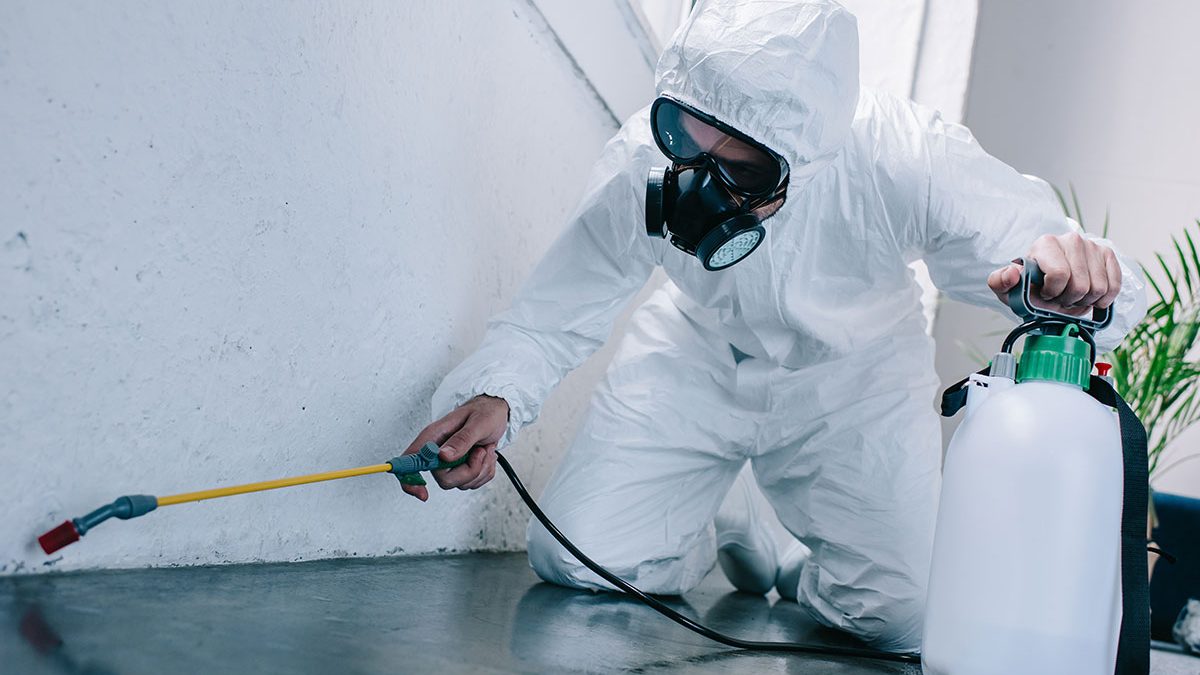

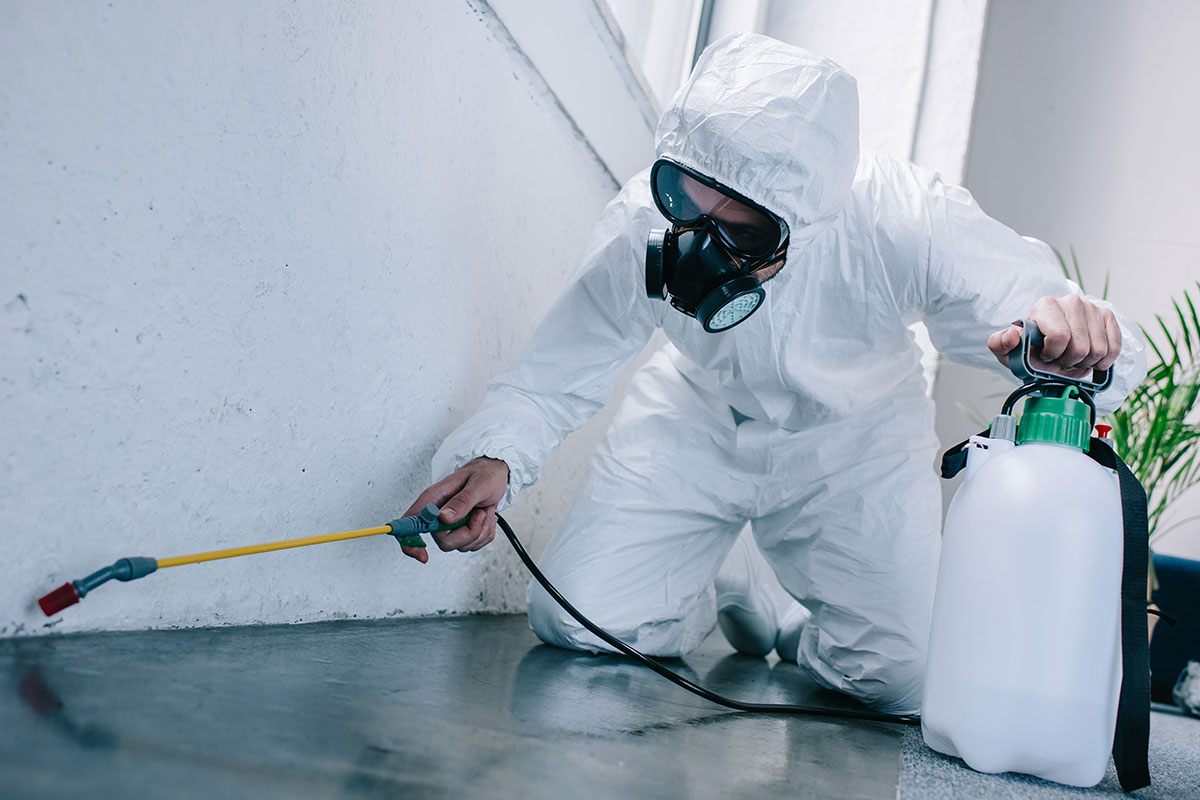
Traditional pest control methods often rely on chemical sprays that can affect indoor air quality, contaminate soil, harm beneficial insects, and create long-term environmental concerns. As more homeowners seek safer solutions, eco-friendly pest control alternatives have become practical, effective, and widely accessible.
Natural pest management focuses on prevention, balance, and targeted treatment rather than blanket chemical application. These approaches protect homes, gardens, pets, and beneficial wildlife while maintaining healthy living environments.
This guide explores reliable eco-friendly pest control alternatives that help manage common household and garden pests safely and effectively.
Why Eco-Friendly Pest Control Matters
Chemical pesticides may offer quick results, but they often create unintended consequences. Overuse can disrupt natural ecosystems, contaminate water sources, and expose families to unnecessary toxins.
Eco-friendly pest control solutions provide several advantages:
- Reduce exposure to harsh chemicals
- Protect beneficial insects such as pollinators
- Support healthier soil conditions
- Improve indoor air quality
- Lower long-term environmental impact
- Encourage sustainable pest prevention habits
These strategies focus on solving pest problems while preserving ecological balance.
Start with Prevention Through Home Maintenance
Preventing pests from entering the home is the most effective long-term strategy. Small structural adjustments often eliminate the need for treatments altogether.
Important prevention steps include:
- Sealing cracks around doors and windows
- Repairing damaged screens
- Closing gaps near plumbing entry points
- Keeping food sealed properly
- Removing standing water sources
These measures reduce the conditions that attract insects and rodents in the first place.
Use Natural Essential Oils as Repellents
Essential oils provide one of the most accessible eco-friendly pest control options. Many plant-based oils naturally repel insects without harming people or pets when used appropriately.
Effective essential oils include:
Peppermint oil
Repels ants, spiders, and mice.
Tea tree oil
Helps discourage flying insects and mites.
Lavender oil
Works against moths, fleas, and mosquitoes.
Eucalyptus oil
Repels flies and ticks.
Diluting essential oils with water and spraying around entry points creates a protective barrier.
Encourage Beneficial Insects in Outdoor Spaces
Not all insects are harmful. Many species help control pest populations naturally by feeding on destructive insects.
Helpful garden insects include:
- Ladybugs that eat aphids
- Lacewings that reduce caterpillar populations
- Ground beetles that target soil pests
- Praying mantises that control multiple insect types
Supporting these insects reduces the need for intervention.
Planting native flowering species helps attract beneficial predators that maintain natural pest balance.
Try Diatomaceous Earth for Safe Indoor and Outdoor Control
Diatomaceous earth is a naturally occurring powder made from fossilized aquatic organisms. It works by damaging the protective outer layer of insects, causing dehydration.
It is effective against:
- Ants
- Fleas
- Cockroaches
- Bed bugs
- Silverfish
Apply it in thin layers along baseboards, entryways, and garden soil surfaces. Food-grade versions are suitable for indoor use.
Use Vinegar Solutions for Household Pest Management
Vinegar is a versatile natural cleaning and pest deterrent solution. Its strong scent disrupts insect scent trails and discourages repeated activity.
Common vinegar uses include:
- Cleaning countertops to remove ant trails
- Spraying around entry points
- Treating fruit fly areas
- Wiping window frames
White vinegar works especially well for indoor applications.
Introduce Companion Planting in Gardens
Companion planting uses plant relationships to naturally repel pests. Certain plant combinations discourage insects without chemical intervention.
Effective companion plants include:
Marigolds
Repel nematodes and aphids.
Basil
Discourages mosquitoes and flies.
Mint
Repels ants and cabbage moths.
Chives
Help protect vegetables from beetles.
This approach strengthens garden resilience naturally.
Use Neem Oil for Broad-Spectrum Natural Protection
Neem oil is derived from the neem tree and has long been used in organic pest control practices. It interferes with insect feeding and reproduction cycles.
Neem oil is effective against:
- Aphids
- Spider mites
- Whiteflies
- Caterpillars
It can be sprayed directly on plant leaves when diluted properly.
Neem oil supports plant protection without harming beneficial pollinators when applied responsibly.
Maintain Clean Landscaping to Reduce Pest Habitats
Outdoor clutter creates hiding places for insects and rodents. Keeping landscaping organized helps prevent infestations.
Helpful maintenance habits include:
- Trimming overgrown shrubs
- Removing leaf piles
- Stowing unused containers
- Cleaning gutters regularly
- Keeping firewood away from house walls
These actions reduce nesting opportunities around the home.
Install Physical Barriers for Long-Term Protection
Physical barriers prevent pests from entering living spaces without requiring treatment products.
Effective barriers include:
- Door sweeps
- Window screens
- Garden row covers
- Copper tape for slugs
- Mesh vent covers
Barrier methods are among the safest pest control strategies available.
Use Baking Soda and Sugar Traps for Ant Control
A mixture of baking soda and sugar works as a simple natural ant control solution. Sugar attracts ants while baking soda disrupts their digestive systems.
Place the mixture near entry points or ant trails for effective results.
This method avoids the need for chemical sprays indoors.
Try Sticky Traps for Monitoring Pest Activity
Sticky traps help identify pest movement patterns and reduce insect populations without toxins.
Common uses include:
- Capturing fruit flies
- Monitoring pantry pests
- Managing fungus gnats
- Tracking crawling insects
Monitoring activity helps determine where additional prevention is needed.
Improve Indoor Ventilation to Reduce Pest Attraction
Many pests are attracted to damp conditions. Improving airflow reduces humidity and discourages infestations.
Ventilation improvements include:
- Using bathroom exhaust fans
- Installing kitchen range ventilation
- Opening windows during dry weather
- Maintaining attic airflow systems
Dry environments are less attractive to insects.
Store Food Properly to Prevent Infestations
Food storage habits play a major role in pest control success.
Effective storage strategies include:
- Using airtight containers
- Keeping counters clear
- Cleaning crumbs promptly
- Refrigerating ripe produce
- Sealing pantry staples tightly
Proper storage eliminates common pest food sources.
Use Citrus Peels as Natural Deterrents
Citrus scents naturally repel several insect types. Fresh peels can be placed near entry points and window areas.
Citrus works especially well against:
- Ants
- Mosquitoes
- Flies
It also leaves a pleasant natural fragrance indoors.
Apply Soap Sprays for Garden Pest Control
Mild soap sprays help control soft-bodied insects without harming plants when used correctly.
Effective targets include:
- Aphids
- Mealybugs
- Whiteflies
- Spider mites
Soap sprays disrupt insect outer layers while remaining safe for edible gardens.
Rotate Garden Crops to Reduce Recurring Pest Problems
Crop rotation prevents pests from establishing permanent feeding zones in garden soil.
Helpful rotation practices include:
- Changing plant families each season
- Alternating root and leafy crops
- Avoiding repeated planting in the same beds
This approach supports long-term soil health while reducing infestations.
Install Bird-Friendly Features to Encourage Natural Predators
Birds help control insect populations naturally in outdoor spaces.
Encouraging birds can include:
- Installing birdhouses
- Providing water sources
- Planting native shrubs
- Maintaining safe nesting areas
Bird activity reduces pest numbers without additional intervention.
Reduce Outdoor Lighting That Attracts Insects
Certain lighting types attract nighttime insects that later enter homes.
Helpful adjustments include:
- Using warm-colored bulbs
- Installing motion-sensor lighting
- Turning off unnecessary exterior lights
- Positioning lights away from doorways
Lighting adjustments reduce insect presence around entry points.
Maintain Regular Cleaning Routines Indoors
Routine cleaning removes food residue and hiding spots that pests rely on.
Important cleaning habits include:
- Vacuuming frequently
- Washing dishes promptly
- Cleaning behind appliances
- Emptying trash regularly
- Sanitizing pantry shelves
Consistency supports long-term pest prevention.
FAQ: Eco-Friendly Pest Control Alternatives Worth Trying
1. Are eco-friendly pest control methods as effective as chemical pesticides
Yes, when used consistently and combined with prevention strategies, natural methods can control many common household pests effectively.
2. How often should natural pest control treatments be applied
Frequency depends on the pest type and environment, but many treatments work best when applied weekly or after rainfall outdoors.
3. Is diatomaceous earth safe for pets
Food-grade diatomaceous earth is generally considered safe when used properly, though it should not be inhaled in large amounts.
4. Can essential oils replace professional pest control services completely
Essential oils can manage minor infestations and prevention, but severe infestations may still require professional assessment.
5. Do natural pest control methods work during all seasons
Most methods remain effective year-round, though some seasonal adjustments improve results depending on pest activity cycles.
6. Are eco-friendly pest solutions safe for vegetable gardens
Yes, many natural treatments such as neem oil and soap sprays are commonly used in edible garden environments when applied correctly.
7. How long does it take to see results with natural pest control methods
Results may take longer than chemical treatments, but consistent application typically produces noticeable improvements within several days to weeks depending on the infestation level.
