
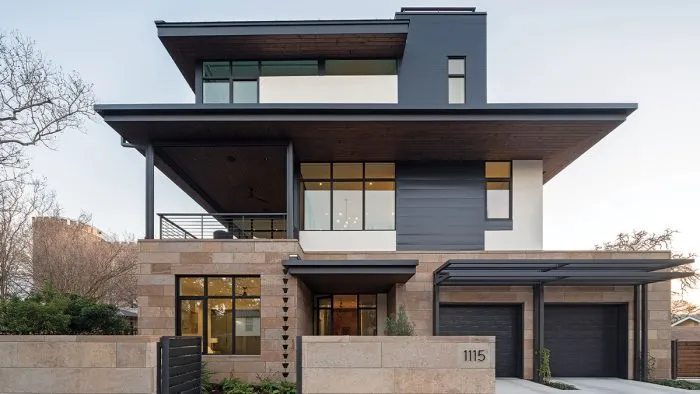

Urban living often means making the most of limited square footage. In compact homes and apartments, a balcony can become far more than a small outdoor extension. With thoughtful planning and intentional styling, even the narrowest balcony can transform into a relaxing retreat, a mini garden, a workspace, or a social corner that enhances daily life.
This guide explores practical, stylish, and realistic balcony design ideas specifically suited for compact urban homes. Each suggestion focuses on maximizing functionality without sacrificing comfort or aesthetics.
Why Balcony Design Matters in Small Urban Homes
In dense cities, access to open air and natural light can be limited. A well-designed balcony helps restore balance by creating a personal outdoor sanctuary. It can serve multiple purposes throughout the day depending on how it is arranged.
A compact balcony can:
- Improve indoor air circulation
- Expand usable living space
- Support small-scale gardening
- Provide a peaceful relaxation zone
- Increase property appeal and value
When designed thoughtfully, even a narrow balcony can feel intentional rather than cramped.
Start with a Purpose-Driven Layout
Before selecting furniture or décor, determine how the balcony will be used. A clear purpose prevents overcrowding and ensures every element serves a function.
Common balcony uses include:
- Morning coffee corner
- Reading nook
- Mini garden
- Outdoor dining space
- Compact workspace
- Meditation zone
Once the primary function is clear, layout decisions become easier and more efficient.
Choose Space-Saving Furniture
Furniture selection makes the biggest difference in small balconies. Oversized pieces quickly make the area feel cluttered.
Consider these compact furniture solutions:
Foldable furniture
Foldable chairs and tables can be stored when not in use, freeing up walking space.
Wall-mounted tables
These provide surface space without occupying floor area permanently.
Stackable seating
Stackable stools allow flexibility for guests while keeping the footprint minimal.
Slim-profile benches
A narrow bench placed along one wall maximizes seating without blocking movement.
Lightweight furniture also makes seasonal rearrangement easier.
Use Vertical Space Creatively
When floor space is limited, vertical surfaces become valuable design assets. Walls, railings, and corners can all support functional features.
Smart vertical solutions include:
- Hanging planters
- Vertical garden panels
- Wall shelves
- Mounted lanterns
- Rail-mounted trays
Vertical layering adds depth and visual interest without sacrificing mobility.
Add Greenery for Freshness and Privacy
Plants bring life to compact balconies while improving air quality and providing a sense of separation from neighboring buildings.
Ideal plant options for small balconies include:
Herbs
Basil, mint, thyme, and rosemary grow well in containers and serve practical kitchen use.
Trailing plants
Plants like ivy and pothos soften edges and enhance visual flow.
Tall narrow plants
Snake plants and bamboo varieties provide privacy without requiring wide containers.
Succulents
Perfect for low-maintenance urban lifestyles.
Combining different plant heights creates a layered garden effect even in limited space.
Select Light Colors to Expand Visual Space
Color influences how spacious a balcony feels. Lighter tones reflect sunlight and visually enlarge the area.
Recommended palette choices:
- Soft white
- Warm beige
- Pale gray
- Light wood finishes
- Pastel accents
These tones create an airy environment that complements natural light rather than absorbing it.
Adding small pops of color through cushions or planters prevents the space from feeling flat.
Install Smart Lighting for Evening Comfort
Lighting transforms a balcony into a usable nighttime retreat. Proper illumination enhances safety while creating atmosphere.
Popular balcony lighting choices include:
String lights
They provide warmth without overwhelming the space.
Solar lanterns
Energy-efficient and easy to install.
Wall-mounted fixtures
Ideal when floor space must remain clear.
LED strip lighting
Great for railings or under seating edges.
Layered lighting ensures flexibility depending on mood and time of day.
Introduce Multifunctional Storage Solutions
Storage is essential in compact urban homes. A balcony can help reduce indoor clutter when designed strategically.
Practical storage ideas include:
- Bench seating with hidden compartments
- Stackable weatherproof boxes
- Hanging organizers
- Slim vertical cabinets
Keeping storage integrated with seating or décor prevents the balcony from looking crowded.
Create a Cozy Flooring Upgrade
Balcony flooring dramatically changes how inviting the space feels. Even rental-friendly options can transform the atmosphere quickly.
Suitable flooring upgrades include:
Interlocking deck tiles
Easy to install and removable.
Outdoor rugs
Add softness and warmth instantly.
Artificial grass panels
Create a garden-like effect in urban settings.
Choose materials that resist moisture and temperature changes for long-term durability.
Design a Compact Outdoor Dining Area
Even the smallest balconies can support dining with the right setup. A carefully chosen arrangement makes meals outdoors both comfortable and practical.
Consider:
- Drop-leaf tables attached to railings
- Bistro-style foldable chairs
- Corner seating arrangements
Compact dining setups encourage regular use without permanently occupying space.
Add Privacy Without Blocking Light
Urban balconies often face neighboring apartments or busy streets. Privacy solutions improve comfort without creating a closed-off feeling.
Effective privacy options include:
- Bamboo screens
- Outdoor curtains
- Trellis panels with climbing plants
- Frosted acrylic panels
These additions maintain airflow while defining a personal retreat.
Incorporate Textiles for Comfort and Personality
Textiles soften hard balcony surfaces and make the area feel more like an extension of indoor living space.
Useful textile additions include:
- Weather-resistant cushions
- Outdoor throws
- Patterned rugs
- Seat pads
Choosing durable fabrics ensures they remain attractive through seasonal changes.
Turn Your Balcony into a Mini Garden Retreat
Even a narrow balcony can support a relaxing green environment with intentional plant placement.
To build a layered garden effect:
- Place tall plants in corners
- Hang trailing plants along railings
- Add herb planters near seating
- Use tiered plant stands
This arrangement creates visual depth and a calming atmosphere ideal for urban living.
Create a Compact Work-from-Home Balcony Corner
With remote work becoming more common, balconies can serve as refreshing alternative workspaces.
A small outdoor workstation can include:
- Fold-down wall desk
- Lightweight chair
- Clip-on shade umbrella
- Compact storage basket for supplies
Fresh air and natural light can improve productivity and reduce indoor fatigue.
Use Mirrors to Expand Perceived Space
Mirrors reflect light and visually double the perceived width of a balcony. When placed thoughtfully, they create an illusion of openness.
Placement tips include:
- Mount mirrors opposite natural light sources
- Use narrow vertical mirror panels
- Choose weather-resistant frames
This simple addition dramatically enhances spatial perception.
Add Seasonal Flexibility to Your Balcony Design
Urban balconies benefit from adaptable layouts that shift throughout the year.
Seasonal adjustments may include:
- Swapping textiles
- Rotating plant selections
- Changing lighting styles
- Rearranging seating
Flexible design ensures the balcony remains useful regardless of weather changes.
Keep the Balcony Clutter-Free with Minimalist Styling
Compact balconies function best when styling remains intentional rather than decorative overload.
Minimalist styling principles include:
- Limiting furniture quantity
- Choosing neutral tones
- Using multifunctional décor
- Keeping pathways clear
A clean layout makes the balcony feel larger and more welcoming.
Make the Balcony an Extension of Indoor Living Space
Consistency between indoor and outdoor design strengthens visual flow and enhances overall comfort.
Ways to connect both spaces include:
- Matching color palettes
- Coordinating furniture finishes
- Repeating textile textures
- Using similar lighting tones
This approach creates a seamless transition between interior and exterior environments.
FAQ: Balcony Design Ideas for Compact Urban Homes
1. What is the best furniture material for small apartment balconies?
Weather-resistant materials like powder-coated metal, treated wood, and synthetic rattan are ideal because they handle outdoor exposure while remaining lightweight and durable.
2. How can I decorate a balcony without drilling into walls?
Use railing-mounted planters, freestanding shelves, adhesive hooks rated for outdoor use, and foldable furniture to avoid permanent installation.
3. Are vertical gardens suitable for rental apartment balconies?
Yes, many modular vertical garden systems are portable and removable, making them suitable for renters who cannot modify walls permanently.
4. How do I protect balcony furniture from rain and sun damage?
Use weatherproof covers, choose UV-resistant fabrics, and store foldable pieces indoors during extreme weather conditions.
5. Can a small balcony support container vegetable gardening?
Yes, vegetables like cherry tomatoes, lettuce, peppers, and herbs grow well in compact containers when they receive sufficient sunlight.
6. What lighting works best for balconies without electrical outlets?
Solar-powered lights and rechargeable LED lanterns provide convenient illumination without requiring wiring access.
7. How can I make a narrow balcony feel wider visually?
Use light color palettes, slim furniture profiles, mirrors, vertical greenery, and minimal décor placement to create the illusion of more space.
