
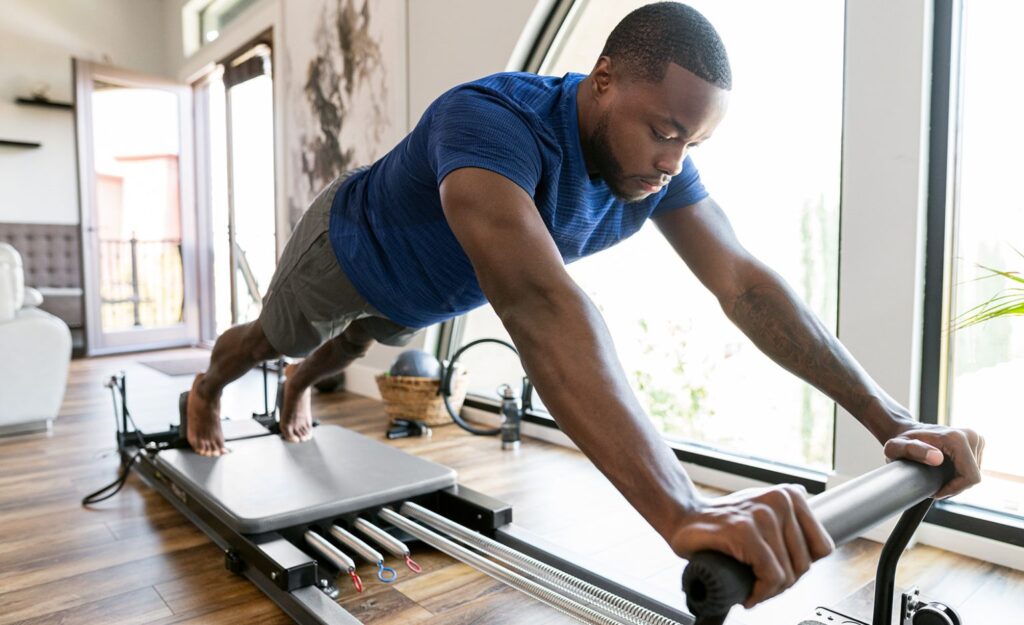

Reformer Pilates sessions often feel productive and controlled, yet many adults notice that improvements in movement quality do not always carry over into daily life. Tightness returns, posture slips, or joints feel less stable despite consistent practice. In many cases, the issue is not the training itself but what happens at home between sessions. For those practising pilates reformer regularly, everyday living habits play a significant role in determining whether studio progress is reinforced or slowly undone.
Home environments shape movement patterns far more hours each day than any exercise session. Small, repeated behaviours accumulate and influence how the body adapts.
Why Home Habits Matter More Than Most People Realise
Reformer Pilates emphasises alignment, controlled resistance, and balanced engagement. However, the body responds to the total volume of movement and positioning it experiences throughout the day.
At home, many habits are:
-
Repetitive
-
Unstructured
-
Performed without awareness
-
Sustained for long durations
These habits can reinforce the very movement patterns reformer Pilates aims to improve.
Seating Choices and Their Impact on Alignment
Seating is one of the most influential factors in home movement quality. Low sofas, soft cushions, and slouched seating positions place the pelvis and spine in prolonged flexion.
Common seating-related issues include:
-
Collapsed lumbar support
-
Posterior pelvic tilt
-
Rounded upper back
-
Reduced hip mobility
Over time, these positions counteract the spinal organisation developed during reformer sessions.
Floor Sitting and Hip Mechanics
Floor sitting is common in many homes and can feel comfortable initially. However, prolonged floor sitting often places hips in deep flexion or asymmetrical rotation.
This can lead to:
-
Reduced hip extension capacity
-
Increased strain on the lower back
-
Limited pelvic mobility
-
Imbalanced muscle engagement
For individuals practising reformer Pilates, restricted hip mechanics reduce movement efficiency during lunges, bridges, and leg work.
Household Chores and Repetitive Strain
Daily chores such as sweeping, carrying laundry, or cooking involve repetitive movements that often favour one side of the body.
Over time, these patterns can:
-
Reinforce asymmetry
-
Increase shoulder or lower back tension
-
Reduce core engagement
-
Create habitual movement shortcuts
Awareness of these repetitive tasks helps preserve balance developed through reformer training.
Sleeping Positions and Overnight Adaptation
Sleep occupies a significant portion of each day, making sleeping posture a powerful influence on movement quality.
Common sleep-related challenges include:
-
Side sleeping without adequate support
-
Excessive spinal rotation overnight
-
Pillow height mismatches affecting neck alignment
-
Prolonged static positioning
These factors affect spinal alignment and joint comfort the following day, influencing how the body moves during training.
Phone and Screen Use at Home
Even outside work hours, screen use remains high at home. Prolonged phone use encourages neck flexion, shoulder rounding, and reduced thoracic mobility.
These postural habits:
-
Reduce upper back extension
-
Increase neck stiffness
-
Limit shoulder range of motion
-
Affect breathing patterns
Reformer Pilates encourages spinal articulation, which can be compromised by excessive screen-related posture at home.
Footwear Choices Indoors
Many people spend hours barefoot or in unsupportive slippers at home. While barefoot movement can be beneficial, prolonged standing or walking on hard floors without variation may strain the feet and lower limbs.
Potential effects include:
-
Reduced foot mobility
-
Increased calf tension
-
Altered gait patterns
-
Reduced shock absorption
Foot mechanics influence knee and hip alignment, which directly affects reformer performance.
Resting Positions and Passive Habits
Lying on sofas, leaning against armrests, or lounging in asymmetrical positions may feel relaxing but encourage uneven loading.
Over time, these habits:
-
Reduce postural awareness
-
Increase joint stiffness
-
Encourage muscle dominance patterns
-
Undermine balanced engagement
Passive rest without positional awareness can quietly erode movement quality.
Creating a Home Environment That Supports Movement
Supporting reformer Pilates progress does not require rigid rules. Small, intentional adjustments make a meaningful difference.
Helpful strategies include:
-
Choosing firmer seating with back support
-
Varying sitting positions regularly
-
Taking brief movement breaks during screen use
-
Being mindful of asymmetry during chores
-
Adjusting sleeping support for spinal neutrality
These adjustments reinforce the work done during reformer sessions.
Consistency Between Studio and Home
Reformer Pilates teaches controlled movement and alignment, but consistency outside the studio determines long-term results.
When home habits align with training principles:
-
Movement improvements last longer
-
Stiffness reduces more sustainably
-
Body awareness improves throughout the day
-
Training feels more effective
Studios like Yoga Edition emphasise movement quality beyond class time, recognising that lifestyle habits shape outcomes as much as structured practice.
Long-Term Benefits of Home Awareness
Over time, integrating movement awareness into daily living supports:
-
Better posture without conscious effort
-
Reduced joint discomfort
-
Improved balance and coordination
-
Greater confidence in movement
These benefits compound, enhancing both daily comfort and training progress.
Real-Life FAQs
Q: Can poor seating at home really affect reformer Pilates results?
A: Yes. Prolonged seated positions influence spinal alignment and muscle balance, which directly affect movement quality during training.
Q: Is floor sitting always bad for people practising reformer Pilates?
A: Not always, but long durations or asymmetrical positions can limit hip mobility and should be balanced with movement variety.
Q: Do sleeping positions matter if I train regularly?
A: Yes. Sleep posture affects joint alignment and tissue adaptation, influencing how the body feels and moves the next day.
Q: How can I reduce the impact of screen use at home?
A: Taking frequent breaks, adjusting screen height, and varying posture help maintain mobility and reduce stiffness.
Q: Do I need to change my entire home setup to support reformer Pilates?
A: No. Small adjustments and increased awareness are often enough to protect and reinforce training progress.
