
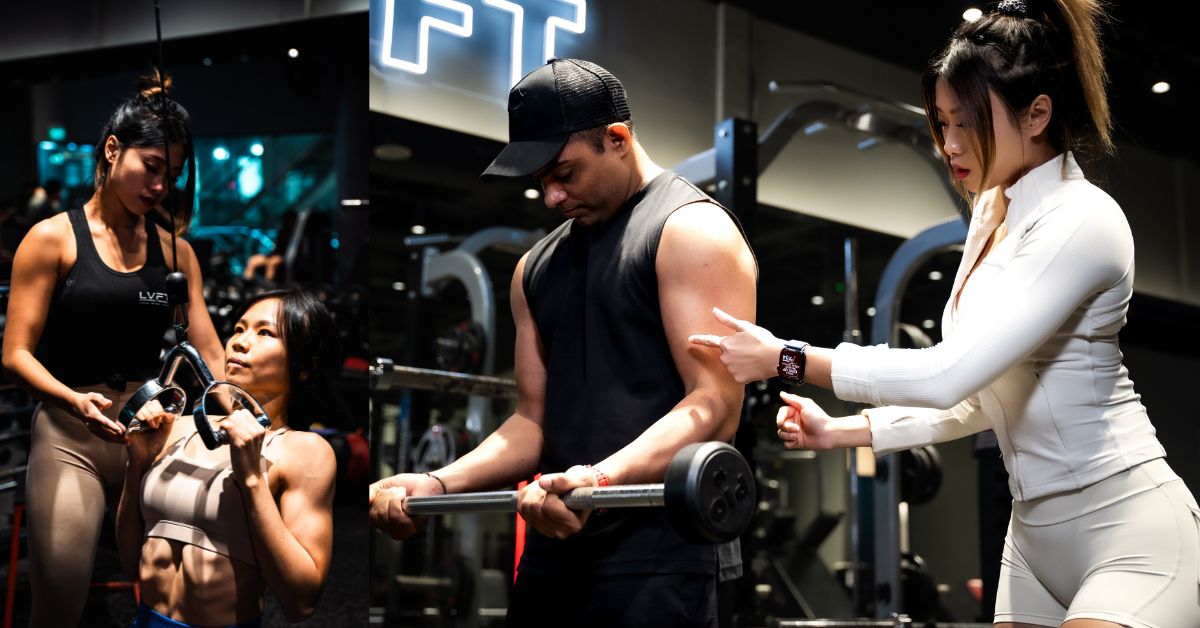

For many people, fitness is still seen as something that happens only inside the gym. You arrive, train hard, leave, and return to daily life unchanged. This disconnect is one of the biggest reasons progress stalls. In reality, the body is shaped by what happens during the other 23 hours of the day. This is why working with a personal gym trainer singapore increasingly involves designing training that extends beyond the gym floor and into the home environment.
In Singapore, where living spaces are compact and daily routines are intense, what happens at home has a major impact on posture, recovery, and long-term physical health. A thoughtful trainer understands this and builds training around how people actually live, move, sit, sleep, and recover at home.
The Hidden Impact of Home Habits on Fitness Progress
Most people underestimate how much their home environment influences their body. Long hours sitting on sofas, working on laptops at dining tables, or scrolling on phones in bed all leave physical imprints.
Common home-related issues include:
-
Rounded shoulders and stiff upper backs from prolonged sitting
-
Tight hips from low seating and limited movement variety
-
Neck strain from poor screen positioning
-
Reduced mobility from minimal daily movement
-
Poor recovery due to irregular sleep routines
No matter how effective gym sessions are, these patterns can slow progress or cause recurring discomfort if left unaddressed.
Why Gym-Only Training Is Often Not Enough
Gym sessions usually last one hour. Home routines dominate the rest of the day. When training only targets gym performance, it ignores the habits that shape posture and movement the most.
Problems with gym-only approaches include:
-
Strength gains that do not translate to daily comfort
-
Persistent aches despite regular training
-
Repeated breakdown of posture outside sessions
-
Slow recovery due to unmanaged lifestyle strain
A trainer who designs training beyond the gym creates continuity between exercise and daily living.
How a Personal Gym Trainer Evaluates the Home Environment
Designing training beyond the gym starts with understanding how clients live.
Daily Sitting and Working Positions
Trainers ask about work-from-home setups, couch habits, and screen usage. Poor positioning often explains neck, shoulder, or lower back issues.
Movement Patterns at Home
How people get up from chairs, carry groceries, or move around small spaces matters. These patterns reveal strengths and weaknesses not seen in the gym.
Sleep and Recovery Habits
Sleep quality, bedtime routines, and bedroom posture all affect recovery and training adaptation.
Space Constraints
Limited floor space or shared living areas influence what type of movement can realistically be practised at home.
Integrating Home Movement Without Creating More Work
Training beyond the gym does not mean adding long home workouts. The goal is integration, not overload.
Micro Movement Strategies
Short movement habits are introduced throughout the day. These may include posture resets, mobility breaks, or simple activation drills.
Habit-Based Design
Movements are linked to existing routines, such as standing up from the sofa or preparing meals. This increases adherence without relying on motivation.
Low Equipment or No Equipment Focus
Home-based strategies rely on bodyweight, floor space, and everyday movements rather than equipment.
Improving Posture Where It Actually Breaks Down
Posture is often corrected in the gym but forgotten at home. A skilled trainer addresses posture in real contexts.
Sitting Awareness
Clients learn how to adjust seating positions and vary posture rather than hold one fixed position.
Standing and Walking Mechanics
Simple cues improve alignment during daily movement, reducing cumulative strain.
Screen and Device Habits
Small changes in screen height or usage patterns significantly reduce neck and shoulder tension.
Recovery Happens at Home, Not in the Gym
True recovery is shaped by what happens outside training sessions.
Sleep Quality Support
Trainers help clients understand how sleep timing, body position, and evening routines affect recovery.
Nervous System Regulation
Breathing techniques and relaxation practices are taught for use at home, especially after stressful days.
Reducing Unnecessary Tension
Clients learn how to release tension accumulated during the day, improving readiness for the next session.
Training That Respects Small Living Spaces
Singapore homes often limit movement options. Effective trainers design strategies that work within these constraints.
Floor-Based Mobility
Simple floor movements maintain joint health without requiring large spaces.
Standing-Based Exercises
Standing mobility and stability drills fit easily into small areas.
Practical Daily Strength
Movements that mimic daily tasks improve functional strength without needing dedicated workout zones.
Long-Term Benefits of Home-Integrated Training
When training extends beyond the gym, progress becomes more sustainable and noticeable.
Key benefits include:
-
Reduced daily aches and stiffness
-
Improved posture throughout the day
-
Faster recovery between sessions
-
Better movement confidence at home and work
-
Training that feels supportive rather than demanding
These benefits often matter more to quality of life than gym performance alone.
Mental Clarity Through Consistent Movement
Home-integrated training also supports mental wellbeing.
Reduced Physical Stress
Less stiffness and discomfort improves focus and mood.
Increased Body Awareness
Clients become more aware of how movement affects how they feel.
Stronger Routine Stability
Movement becomes part of daily life rather than an isolated activity.
The Role of the Right Coaching Environment
This holistic approach works best when supported by experienced coaching and thoughtful programming. Facilities such as TFX Fitness support training philosophies that recognise fitness as a lifestyle system rather than a single location or session.
Fitness That Fits Real Life
Fitness should not compete with home life. It should support it. When training extends beyond the gym floor, people move better, recover faster, and feel more capable throughout the day. This approach respects modern living conditions while delivering meaningful, lasting results.
A trainer who designs training around real environments helps turn fitness into a seamless part of daily life rather than a separate obligation.
Frequently Asked Questions
Q: Do I need to do home workouts for this approach to work?
A: No. Most strategies involve small habit changes and movement integration rather than full workouts.
Q: Can this help with chronic stiffness at home?
A: Yes. Addressing posture and movement where stiffness develops often leads to significant improvement.
Q: Will this reduce the effectiveness of gym sessions?
A: No. It usually enhances gym performance by improving recovery and movement quality.
Q: Is this suitable for people with very limited space?
A: Yes. Most strategies are designed specifically for compact living environments.
Q: How long before noticing benefits at home?
A: Many people notice reduced tension and better comfort within a few weeks of consistent application.
